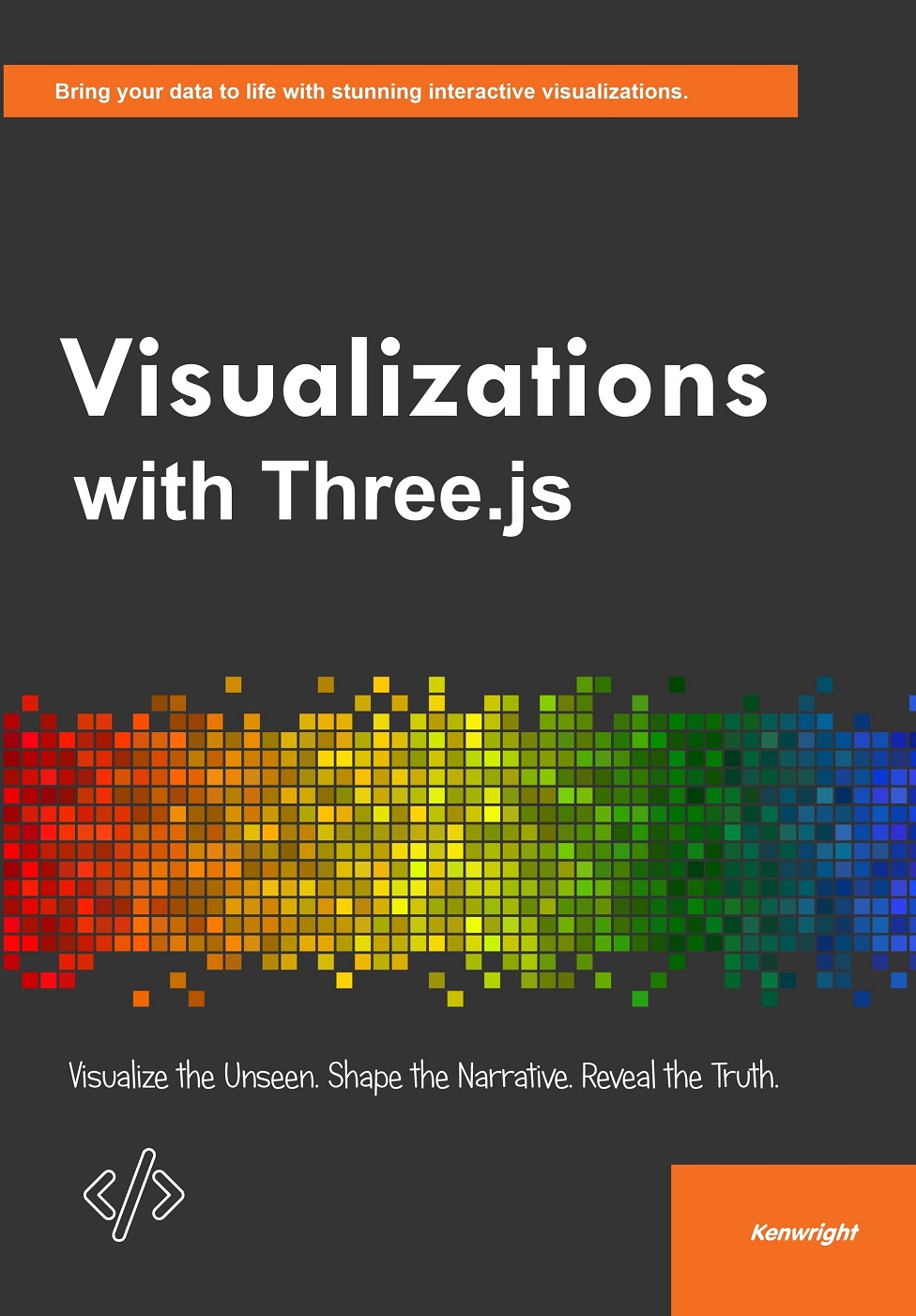
A thought-provoking exploration of Three.js and its impact on the current trends. This essential read offers fresh perspectives and practical insights that will transform your understanding.
This comprehensive work delves deep into the core concepts of Three.js, offering readers a unique perspective that bridges theoretical knowledge with practical application. Drawing inspiration from the challenges and triumphs within Data Visualization, the author crafts a compelling narrative that resonates with readers across diverse backgrounds. Through meticulous research and engaging narrative, the author presents complex ideas in an accessible manner, making this book suitable for both beginners and experts in the field.
I found myself highlighting nearly every page—so many quotable insights.
Yes! I found the visual summaries at the end of each chapter incredibly helpful.
May 23, 2026This book completely transformed my understanding of Three.js. The author's approach is both innovative and practical.
Great point! I especially appreciated the chapter on implementation strategies.
May 28, 2026Same here. It’s rare to find a book that’s both intellectually rigorous and emotionally engaging.
May 22, 2026I found myself highlighting nearly every page—so many quotable insights.
Yes! I found the visual summaries at the end of each chapter incredibly helpful.
May 22, 2026Stay updated with the latest from the book world
Spotify's successful audiobooks strategy, the most read books on Goodreads, our first ever ZtWR readalong, and more...
Read MoreLots of "best of" lists from around the interwebs, the next big (eye-roll inducing) trend, and more...
Read MoreHere's a sneak peek at the new queer books coming out this month—plus, the best way to keep track of new and upcoming queer books....
Read MoreEnhance your reading and learning experience
Organize books by color for visual appeal or by genre for practical access.
Take brief notes after each chapter. Summarizing helps cement knowledge.
Create a dedicated reading space with good lighting and minimal distractions.
Rubber Duck Debugging: explain your code line by line to an inanimate object.
Write documentation as if the next person reading it is a violent psychopath who knows where you live.
Use the Feynman Technique: teach what you learn to someone else to identify knowledge gaps.
Sarah Johnson
Professional ReviewerGreat point! I especially appreciated the chapter on implementation strategies.
May 22, 2026