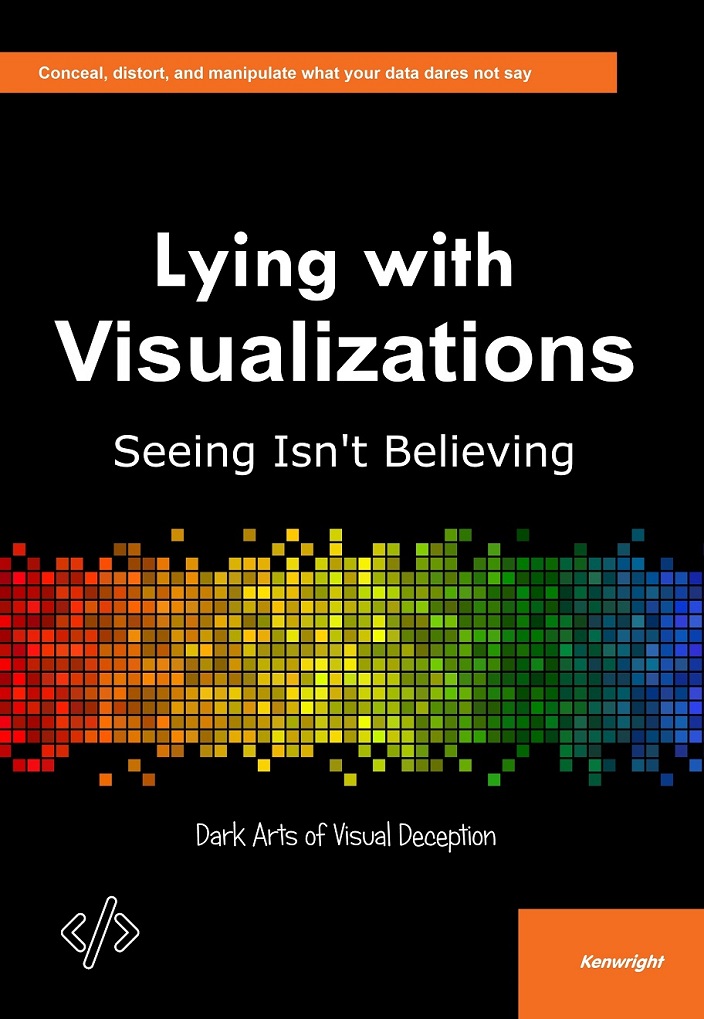
A thought-provoking exploration of Data Visualization and its impact on the current trends. This essential read offers fresh perspectives and practical insights that will transform your understanding.
The carefully structured chapters build upon each other, creating a learning journey that is both educational and inspiring. Each section includes practical examples and thought-provoking exercises. Drawing inspiration from the challenges and triumphs within Media Literacy, the author crafts a compelling narrative that resonates with readers across diverse backgrounds. The book's title, "Lying with Visualizations: Seeing Isn't Believing", reflects its central theme: a bold exploration of ideas that challenge conventional thinking and encourage intellectual growth.
This book is a catalyst for change. I feel more equipped and inspired than ever.
The storytelling woven into the analysis makes it both informative and emotionally resonant.
Totally agree. The pacing and structure made it easy to stay engaged throughout.
May 18, 2026Same here. It’s rare to find a book that’s both intellectually rigorous and emotionally engaging.
May 19, 2026
I appreciated the balance between research and anecdotal evidence—it felt grounded and real.
That section was brilliant. I've already applied those techniques with great success.
May 17, 2026Couldn't agree more. The real-world examples made all the difference for me.
May 19, 2026Stay updated with the latest from the book world
Spotify's successful audiobooks strategy, the most read books on Goodreads, our first ever ZtWR readalong, and more...
Read MoreLots of "best of" lists from around the interwebs, the next big (eye-roll inducing) trend, and more...
Read MoreHere's a sneak peek at the new queer books coming out this month—plus, the best way to keep track of new and upcoming queer books....
Read MoreEnhance your reading and learning experience
Follow the 20-20-20 rule: every 20 minutes, look at something 20 feet away for 20 seconds.
Rubber Duck Debugging: explain your code line by line to an inanimate object.
Organize books by color for visual appeal or by genre for practical access.
Write documentation as if the next person reading it is a violent psychopath who knows where you live.
Use a pointer or your finger to guide your eyes. This can increase reading speed by 25%.
Create a dedicated reading space with good lighting and minimal distractions.
Sarah Johnson
Professional ReviewerI had the same experience. The practical exercises really helped solidify the concepts.
May 30, 2026